Somalia: Life Beyond Modern Conveniences
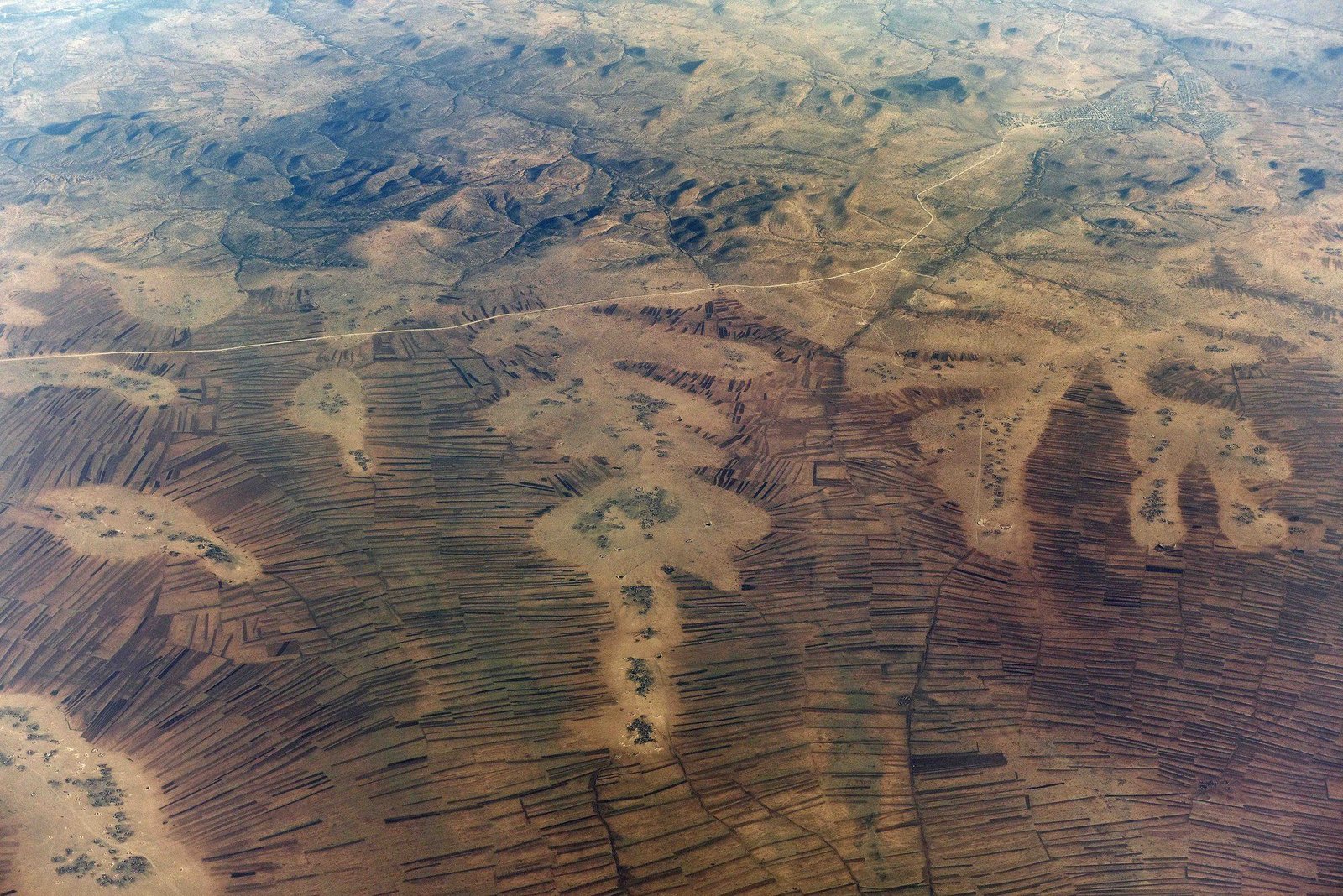
This photograph captures a remote tribal region of Somalia, where electricity, internet, telephone connectivity and piped drinking water remain absent. A single unpaved road through the rugged mountains connects these isolated communities to the nearest town, while families depend largely on seasonal rainfall for their livelihood. Despite the harsh conditions and limited resources, life continues with remarkable dignity and resilience. Captured during my journey across Africa, the image reflects the quiet strength of communities living far removed from the conveniences of the modern world.
Photo & Caption: Purushottam Diwakar, International Photojournalist & Documentary Photographer.
Prayagraj Kumbh
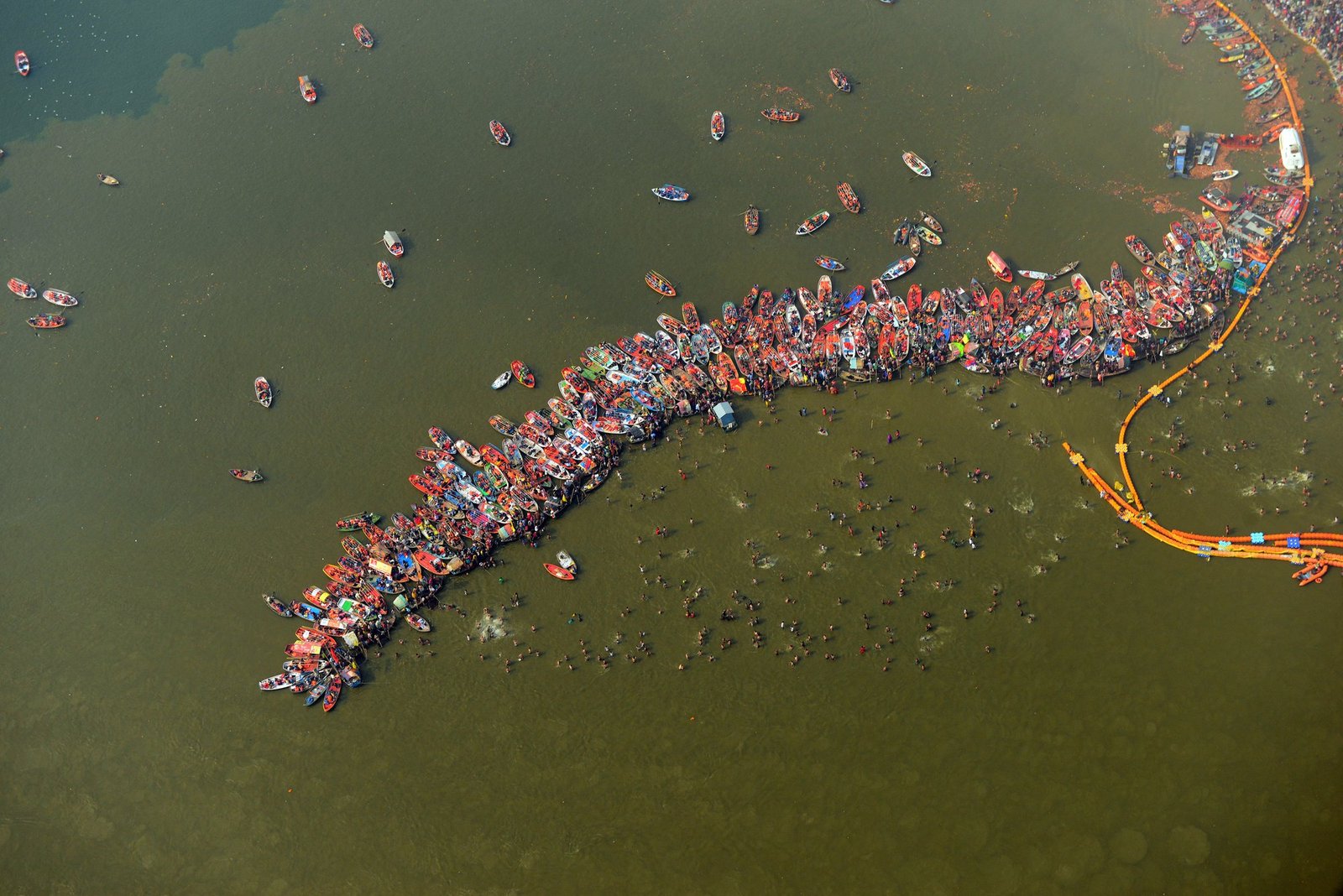
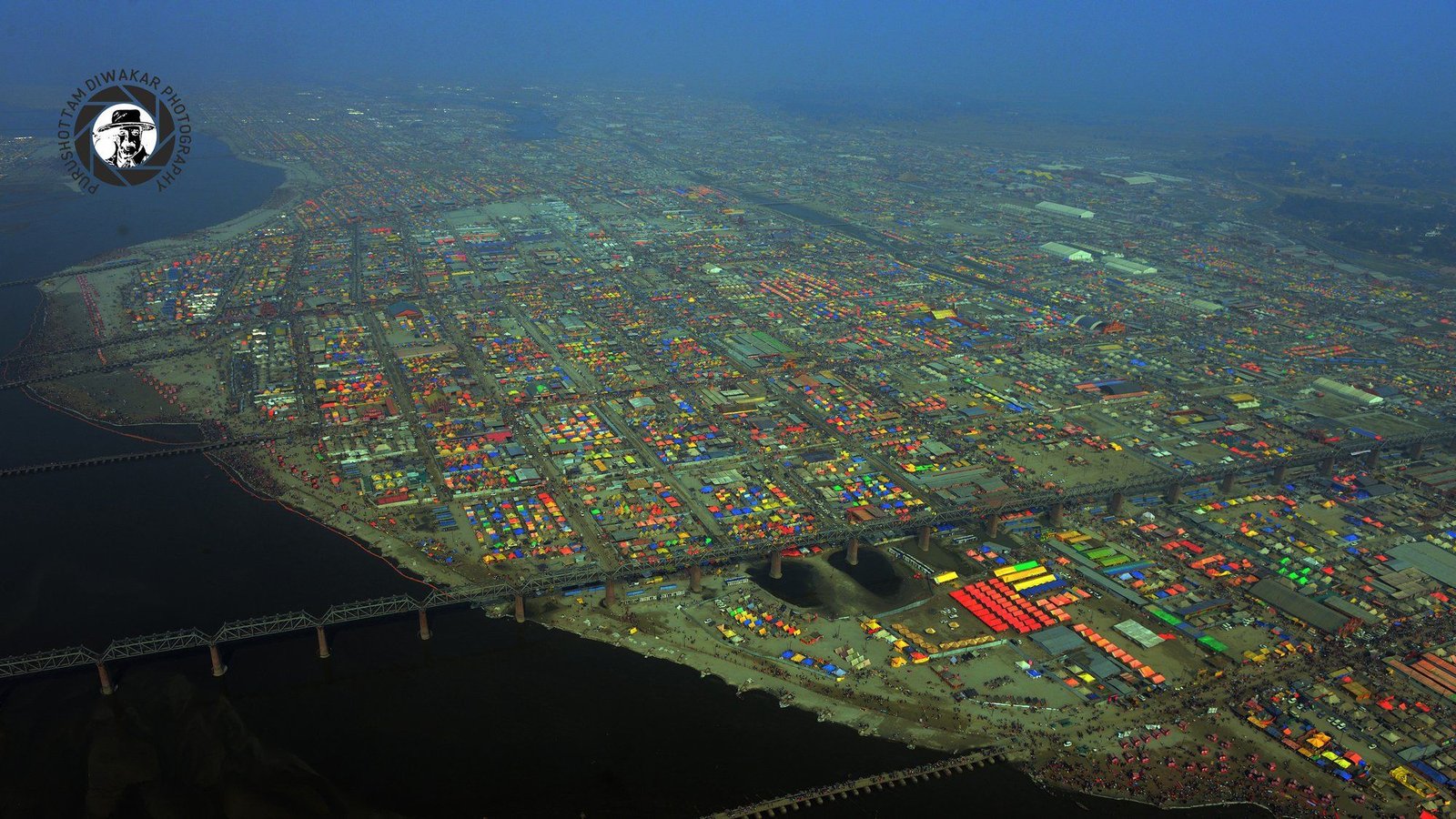
Prayagraj Kumbh is not only a symbol of faith but also the world’s largest human gathering. The temporary tent city that emerges during this period is considered the largest temporary settlement ever created anywhere in the world, transforming the riverbanks into a fully functional city for a brief span. While most photographs focus on ritual baths, saints, or close-ups of devotees, this rare aerial image, captured from a helicopter, presents a strikingly different perspective, revealing the extraordinary scale, meticulous planning, and breathtaking expanse of this monumental event, all in a single frame. Taken during the 2019 Kumbh, this photograph was prominently published in India Today, serving as a significant visual record of India’s living spiritual and cultural heritage.
Photo & Caption: Purushottam Diwakar, International Photojournalist & Documentary Photographer.
Landed By Choice
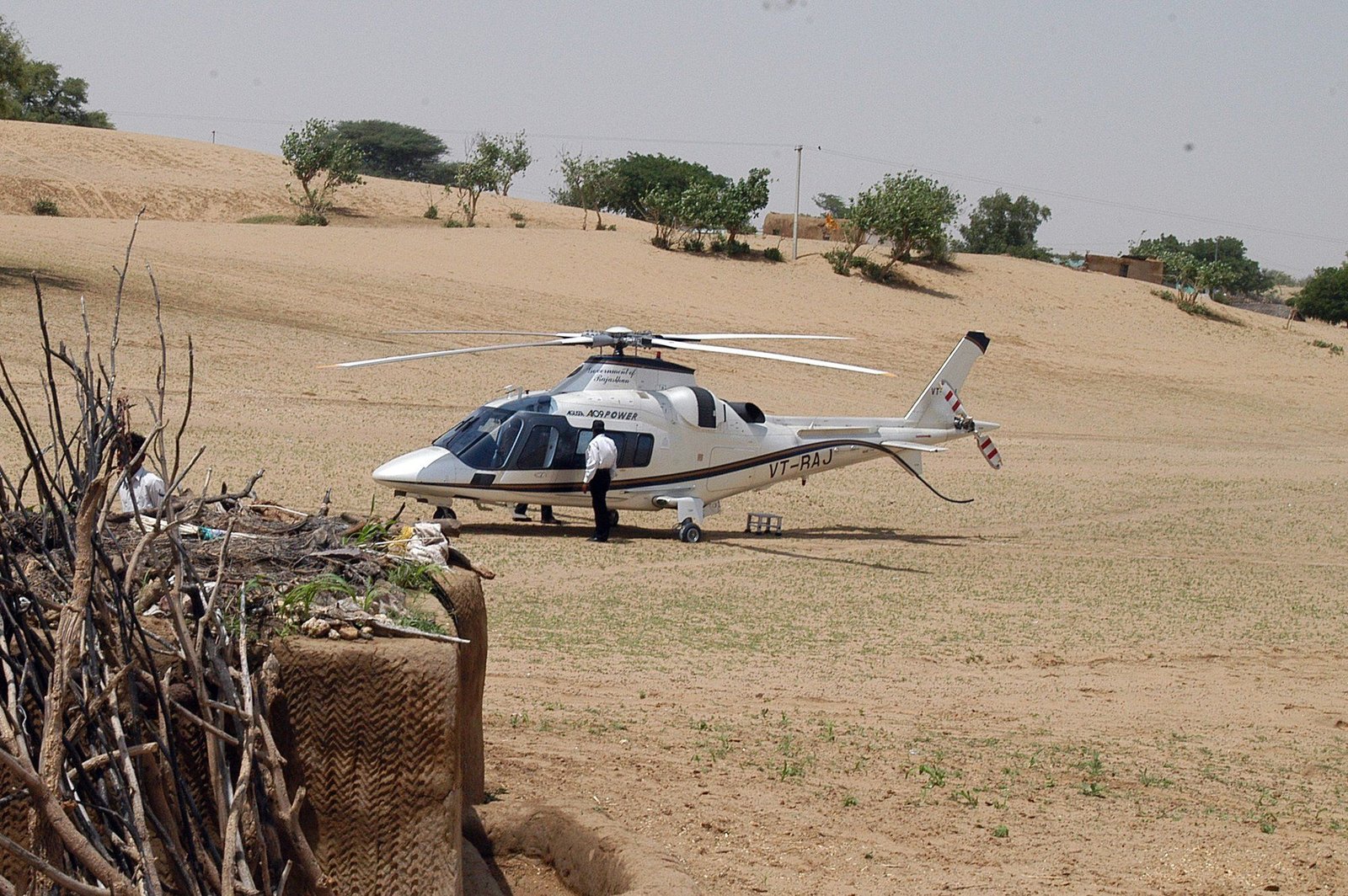
In 2006, the desert districts of Barmer and Jaisalmer in Rajasthan witnessed one of the most extraordinary natural disasters in their history. A cloudburst-like spell of intense rainfall triggered devastating floods across a landscape where water is normally a rarity. Homes were submerged, lives and livestock were lost. And in several places, water remained for years on land known for its extreme aridity. With both road and rail completely cut off, I covered the disaster by helicopter. During one flight, I noticed a remote flood-affected settlement where the suffering was particularly heartbreaking. I wanted to land, meet the people, and document their stories so their voices could reach the government and the public. There was no helipad, yet at my request, and knowing how important it was for these stories to be heard, the pilot relied on his exceptional skill, experience, and courage to land the helicopter safely on an ordinary stretch of desert terrain. He, too, wanted the pain of the flood victims to be seen and heard beyond the isolation of the desert. It was not merely a landing—it was a rare act of commitment to public interest and human compassion.
Photo & Caption: Purushottam Diwakar, International Photojournalist & Documentary Photographer.
Thar Express: A Railway of Reunion Across Borders
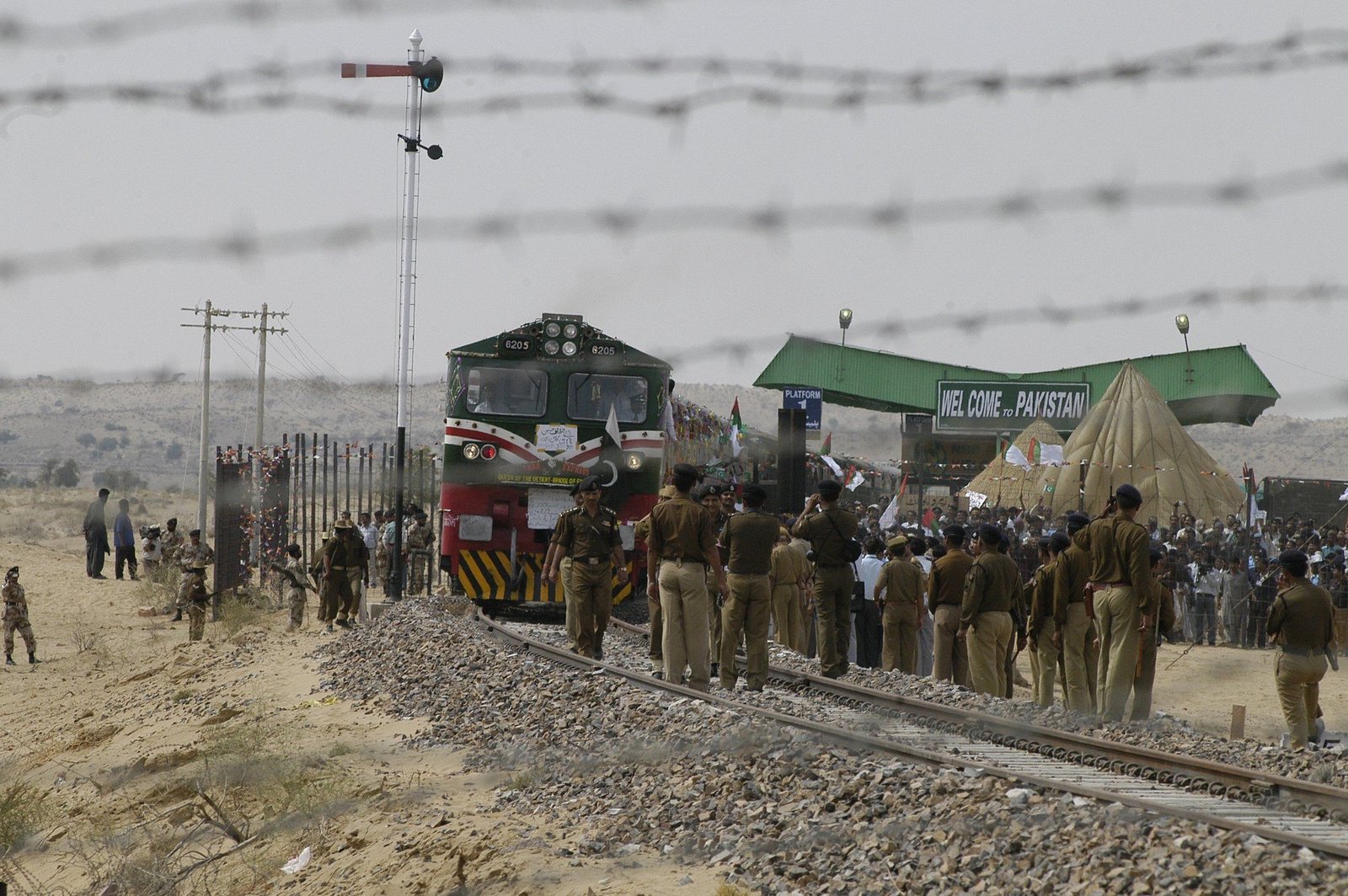
This historic photograph was taken on 18 February 2006, when the Munabao (India)–Khokhrapar (Pakistan) rail link was restored after nearly four decades. On this landmark occasion, the then Indian Railway Minister Lalu Prasad Yadav flagged off the inaugural Thar Express, marking the revival of a long-disconnected route between the two nations. I captured this image from the Indian side of the border, facing the Pakistani railway station, where the “WELCOME – PAKISTAN” sign stands as a silent witness to the moment. This was not merely a train, but a railway of hope — reconnecting families separated by Partition for decades. The service was later suspended amid political tensions, but this photograph preserves a rare and emotional moment when a railway line briefly became a bridge between people and memories.
Photo & Caption: Purushottam Diwakar, International Photojournalist & Documentary Photographer.
Path of Resilience
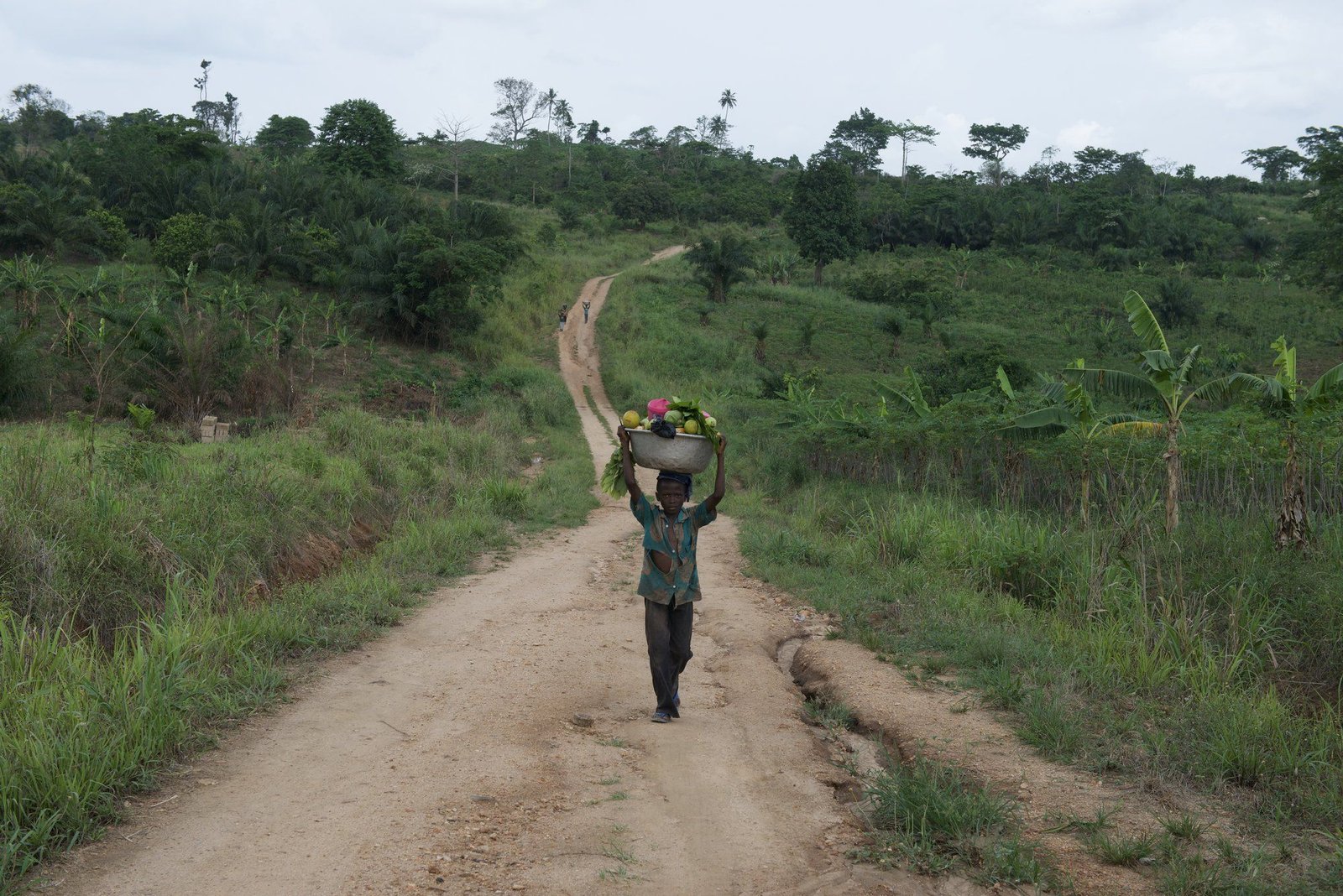
In the dense forests around Kumasi, Ghana’s historic commercial centre and Garden City, many communities still survive with very limited access to basic needs. This child is returning home at dusk after spending the day collecting wild fruits, roots, and other edibles to secure food for the family’s evening and next morning. Survival here is a daily struggle. Proper shoes and clothing are a luxury for many children, while education and healthcare remain distant dreams. The moment I saw this child, I was deeply moved. My eyes filled with tears. I gave the child everything I had in my vehicle—biscuits, bread, chocolates, and all the food I was carrying. In that moment, I forgot entirely that I am a strict eggless vegetarian, and that finding vegetarian food in such a remote area would be nearly impossible. I went without food for the rest of that day, and until we returned to the city the following morning. But I have never regretted it. What remains is gratitude that I could offer whatever I had in that moment, and it still stays with me. I documented this scene to bring such realities to the attention of international agencies and decision-makers. Later, special initiatives in education and development were set in motion, signaling steps toward change.
Photo & Caption: Purushottam Diwakar, International Photojournalist & Documentary Photographer.
The Arrest of Vaman Narayan Ghiya
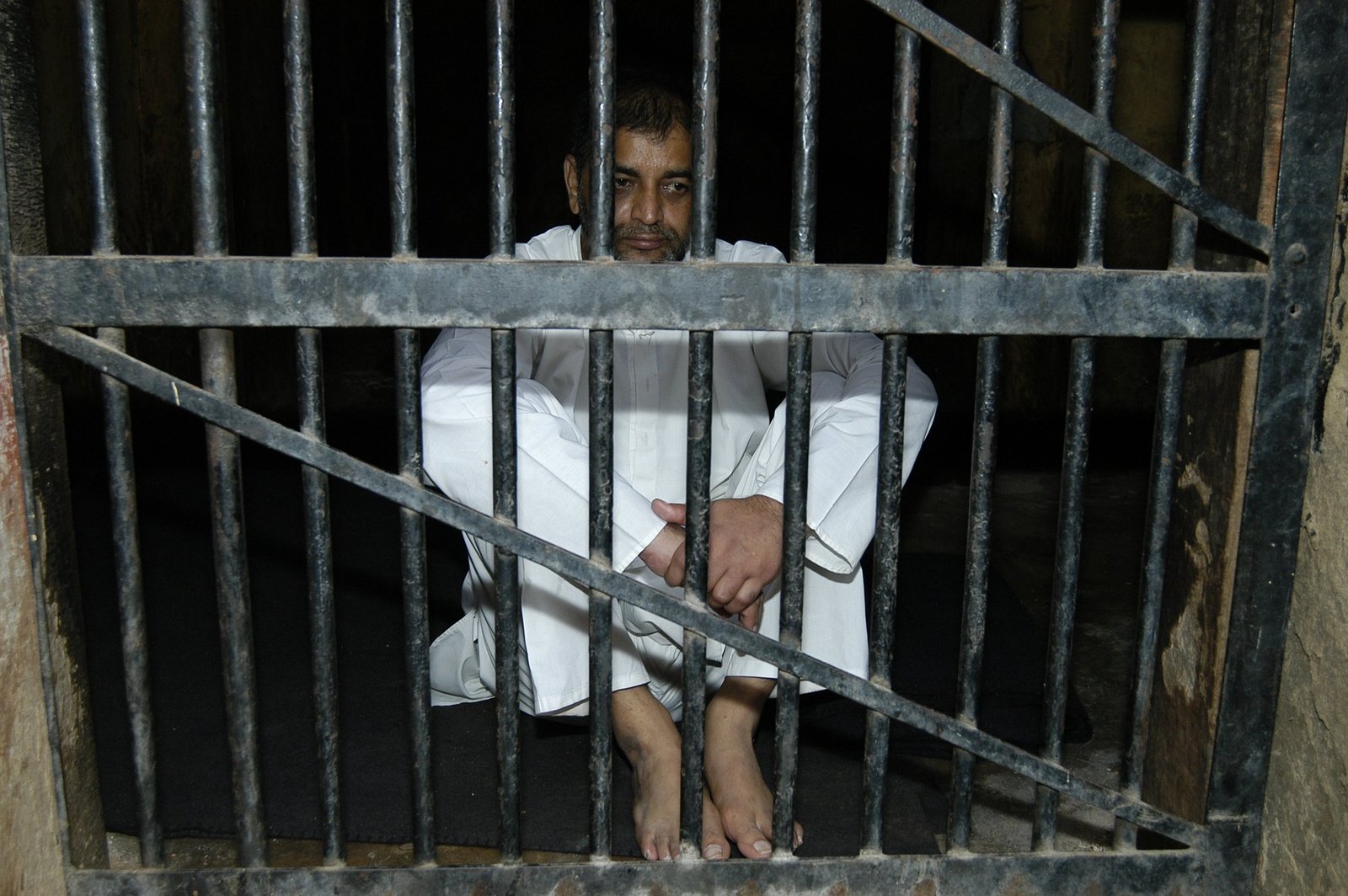
वामन नारायण घिया, one of the principal accused in one of India’s most widely known antiquities and idol smuggling investigations, was arrested in Jaipur in June 2003 after an extensive probe by the Rajasthan Police. The operation was led by Anand Shrivastava, IPS, then Superintendent of Police, Jaipur City (North). The investigation alleged a network involved in moving stolen ancient idols and artifacts from temples and archaeological sites across India to international markets. The case led to multiple arrests and recovery of numerous antiquities, and became a landmark in India’s fight against cultural heritage trafficking.
Photo & Caption: Purushottam Diwakar, International Photojournalist & Documentary Photographer.
When a Blackboard Fades, Hope Finds a Way
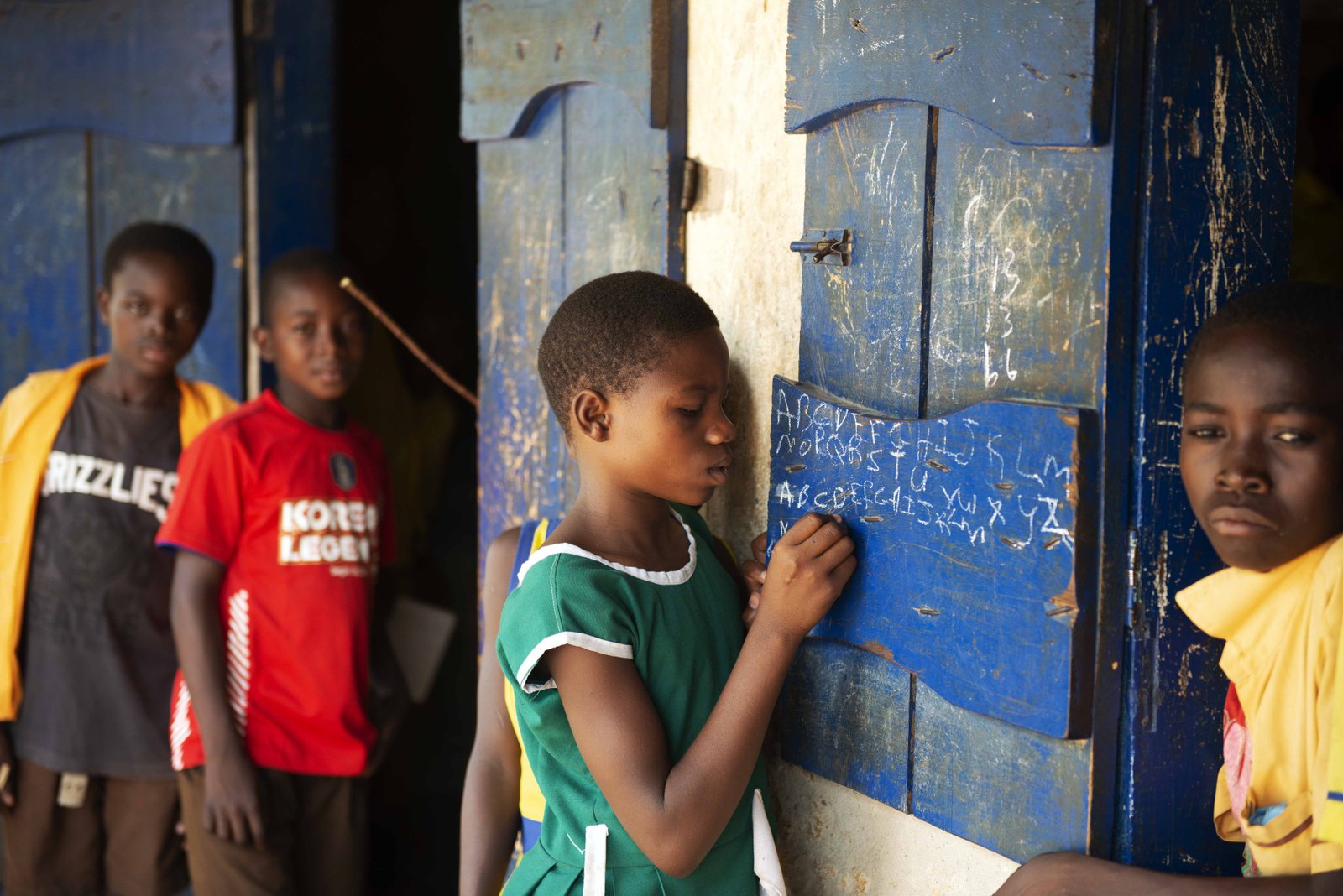
When a Blackboard Fades, Hope Finds a Way. During my journey through Ghana, Africa, I visited a small village school near Tamale. The blackboards were so damaged that lessons could barely continue on them, and notebooks or pens were a rarity. After the teacher left, I saw a young girl pick up a piece of chalk and turn an old wooden door into her blackboard. In that small act was resilience, hunger for learning, and a quiet defiance against limitation. Education is not only about buildings and equipment; it is about determination. Years from now, when paths open and futures change, this door might be remembered as a starting line.
Photo & Caption: Purushottam Diwakar, International Photojournalist & Documentary Photographer.
Firepower in Flight
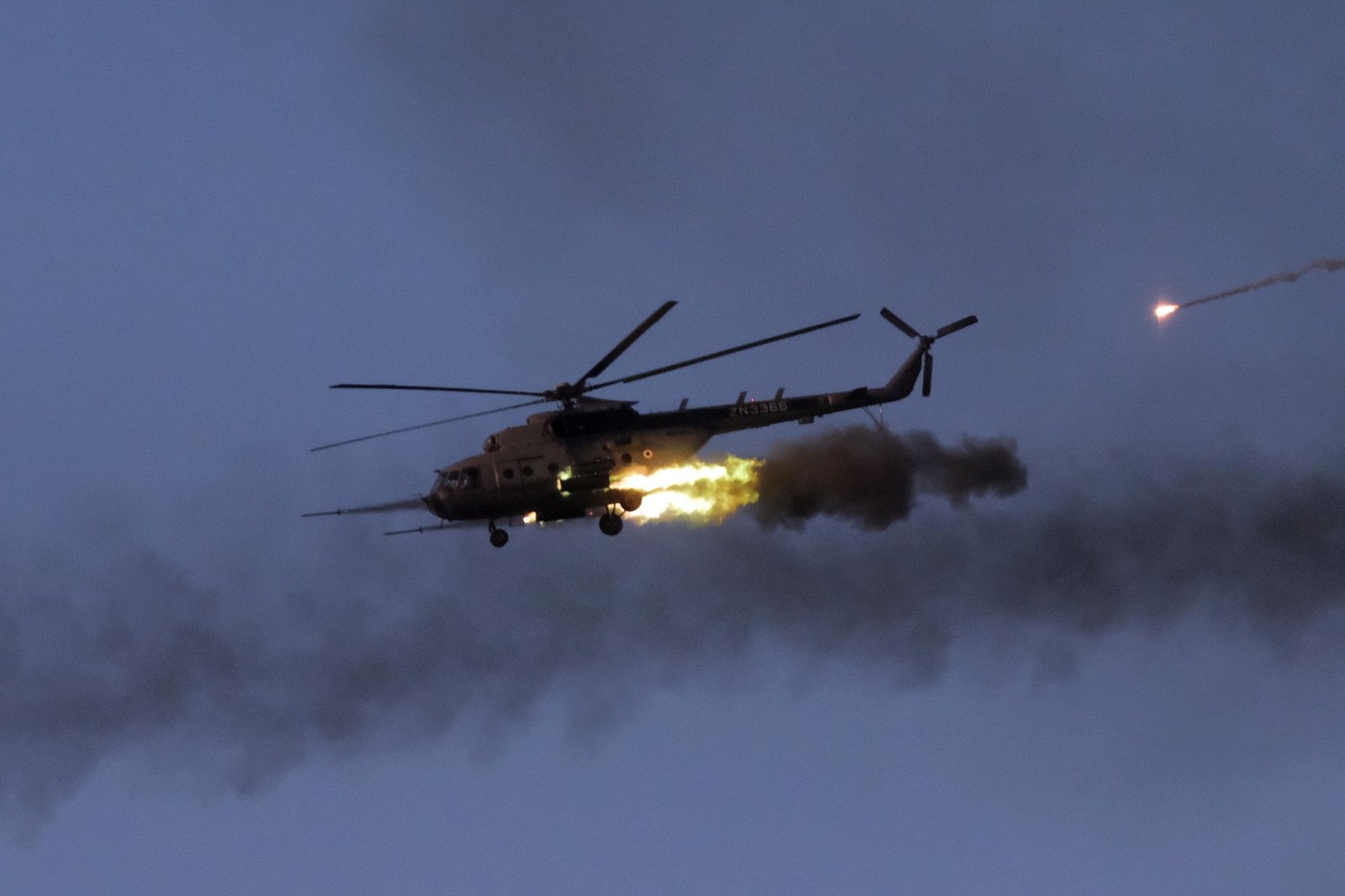
Firepower in Flight. In a fraction of a second, the sky transforms into a battlefield. Captured during a live weapons exercise, this photograph freezes the precise moment an Indian Air Force Mi-17 series helicopter unleashes its firepower by launching rockets toward a designated target. What appears to be a brief flash of fire is, in reality, the culmination of years of training, discipline, and teamwork. To an observer, it is a spectacle; to the aircrew, it is a mission executed with unwavering focus and professionalism. As an International Photojournalist and Documentary Photographer, my objective is not merely to photograph military equipment, but to preserve authentic moments of courage, readiness, and responsibility. A single frame can become a lasting historical record, revealing the professionalism and dedication that stand behind a nation’s security. Real Photojournalism: “Real photojournalism does not glorify conflict.”
Photo & Caption: Purushottam Diwakar, International Photojournalist & Documentary Photographer.
Guardians of the Blue Frontier
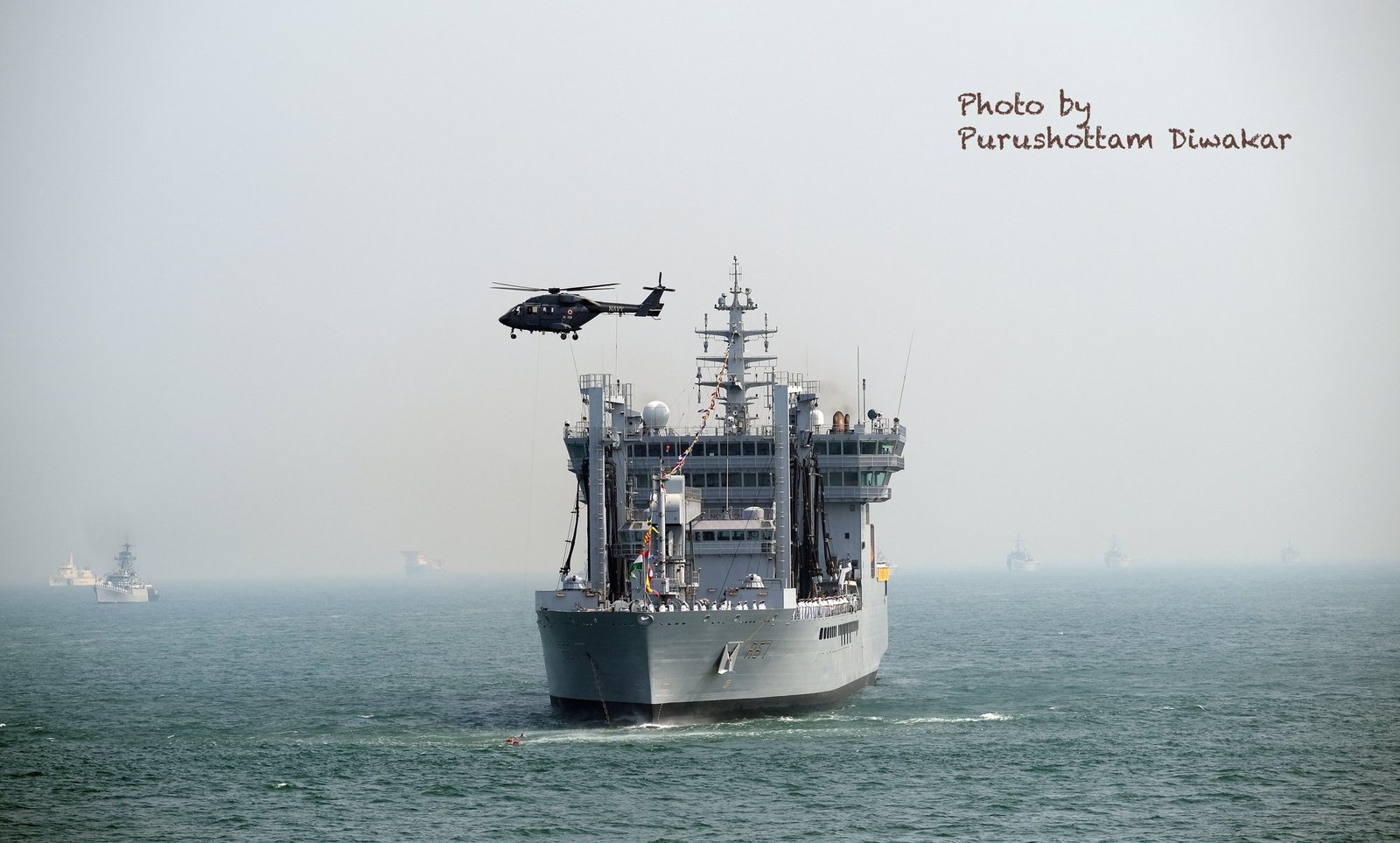
Guardians of the Blue Frontier. Far beyond the shoreline, where the horizon dissolves into open sea, the Indian Navy stands as the nation’s first line of maritime defence. This photograph captures a rare operational moment during a special deployment, where a naval helicopter hovers above an Indian warship while the fleet maintains its vigilant presence across India’s vast maritime frontier. For most, the sea is a symbol of freedom; for those in uniform, it is a demanding workplace that tests endurance and resolve. Working alongside the Indian Navy as a photojournalist was both an honour and a challenge; life at sea demands balance between physical endurance and mental focus. As an International Photojournalist & Documentary Photographer, my purpose is not to merely photograph platforms, but to preserve authentic moments that reflect courage, professionalism, and silent service. Real Photojournalism: “Real photojournalism is not about photographing power; it is about preserving truth, documenting service, and safeguarding the moments that define a nation’s story.”
Photo & Caption: Purushottam Diwakar, International Photojournalist & Documentary Photographer.
From the battlefield to the farmland
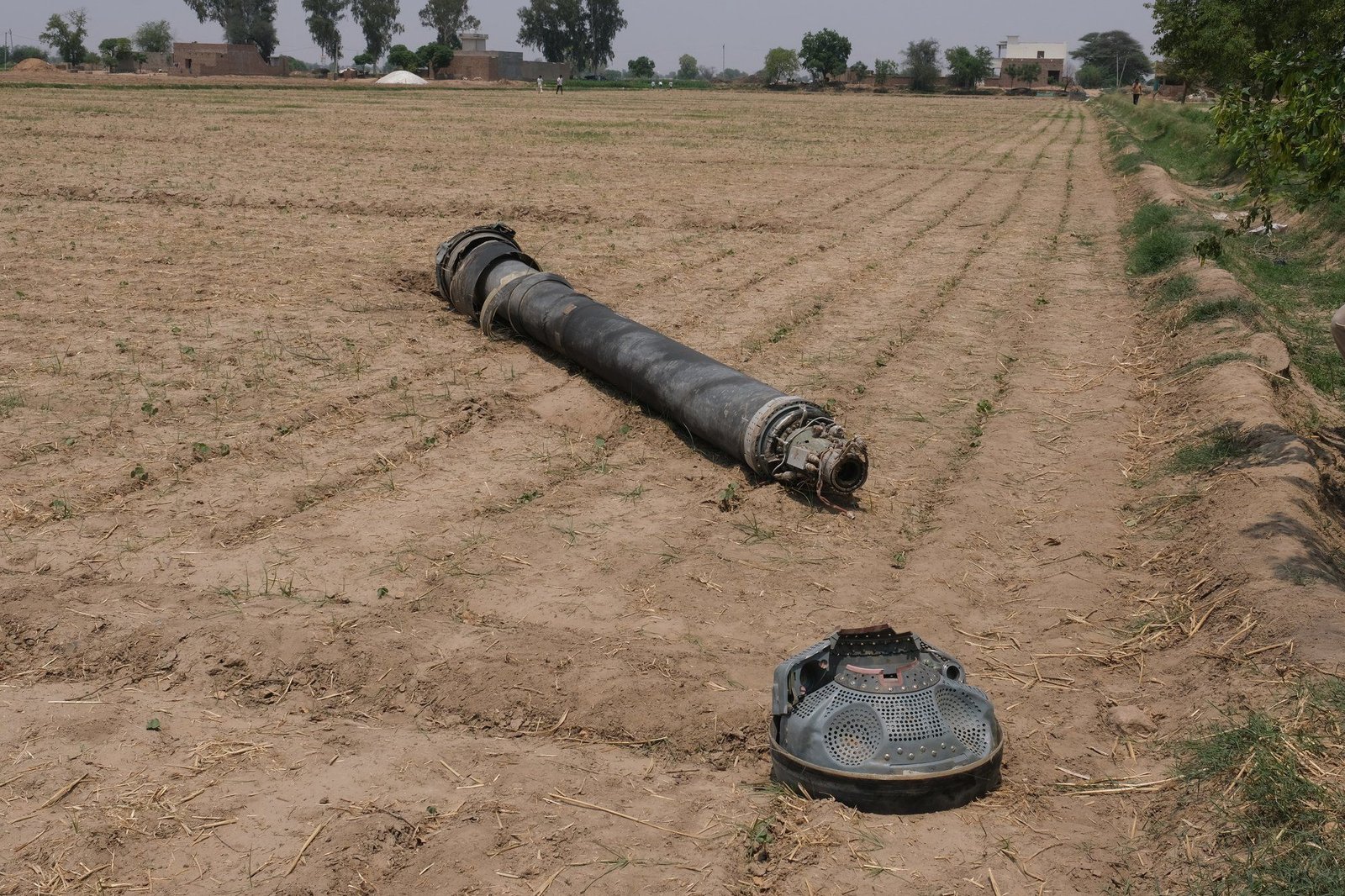
From the battlefield to the farmland. The remnants of war often tell stories long after the explosion has faded. This photograph documents the aftermath of Operation Sindoor, during which this missile wreckage landed in an agricultural field in Rajasthan’s Hanumangarh district after being launched from across the border. While travelling through the area during coverage of Operation Sindoor, en route towards the border belt, we heard a powerful blast. Within moments, we stopped our vehicle and rushed towards the field where this shattered debris lay exposed. It was one of those rare moments when history unfolded without warning, and the responsibility of a photojournalist was simply to bear witness. This image is not about celebrating destruction; it is about recording the visible consequences of conflict and preserving a factual visual record. As an international photojournalist and documentary photographer, my aim is to document reality with context and integrity, so that these moments are remembered honestly. Photo by Purushottam Diwakar, International Photojournalist and Documentary Photographer. Real Photojournalism: Real photojournalism does not glorify conflict; it bears witness, preserves evidence, and safeguards the moments that history will remember.
Photo & Caption: Purushottam Diwakar, International Photojournalist & Documentary Photographer.
A Space of Honour
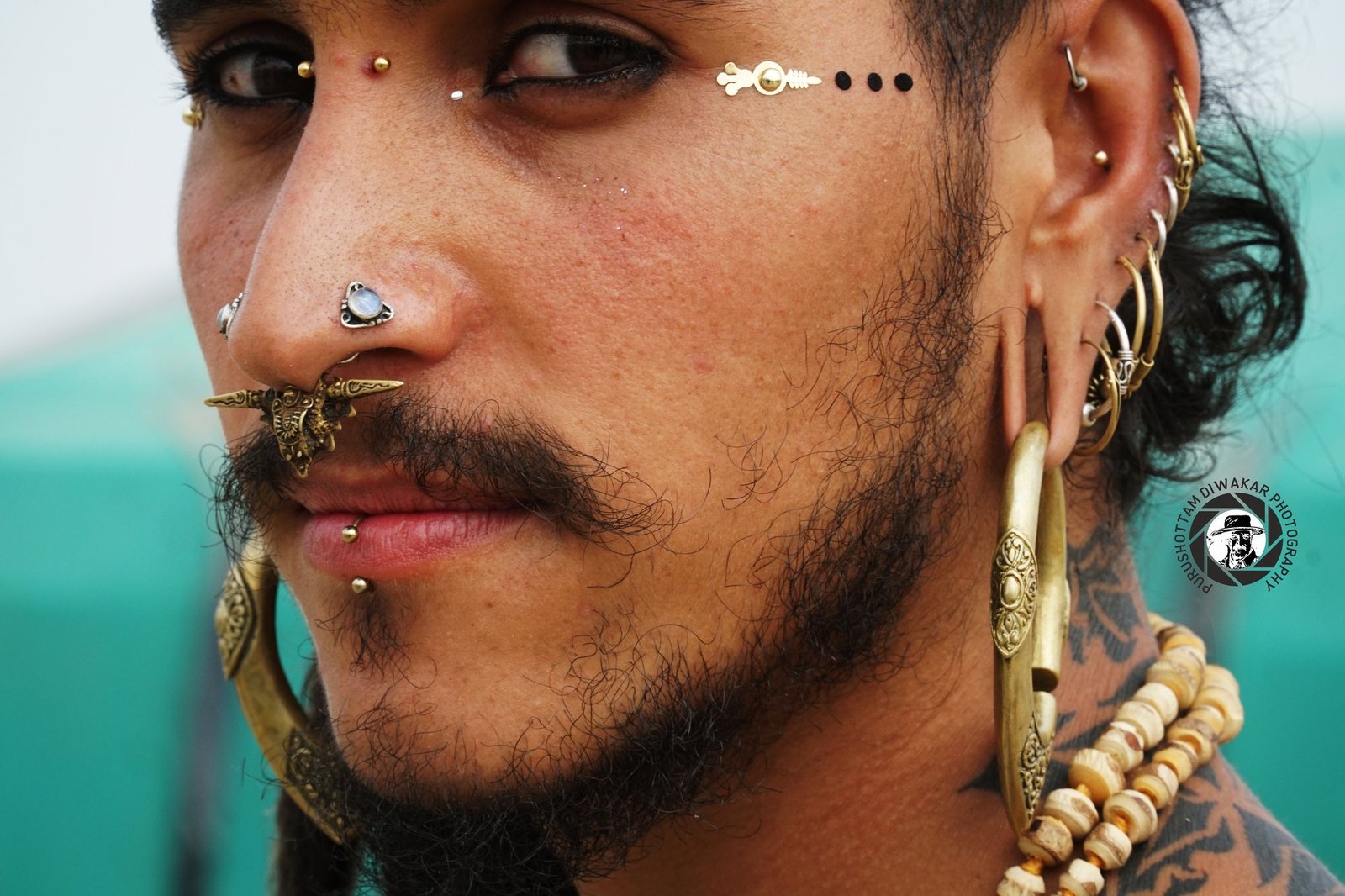
In Prayagraj’s Kumbh Mela in 2019, a quieter change was unfolding alongside the crowds, rituals and processions. Members of the transgender community were accorded a place of visibility and respect at one of the world’s largest religious gatherings, standing alongside the diverse orders of saints and ascetics who define the Kumbh. Their presence was more than ceremonial; it reflected a gradual shift in social recognition, as a community long pushed to the margins found itself being acknowledged in a space where faith, identity and public honour converge.
Photo & Caption: Purushottam Diwakar, International Photojournalist & Documentary Photographer.
The Songs of Taalokapaar
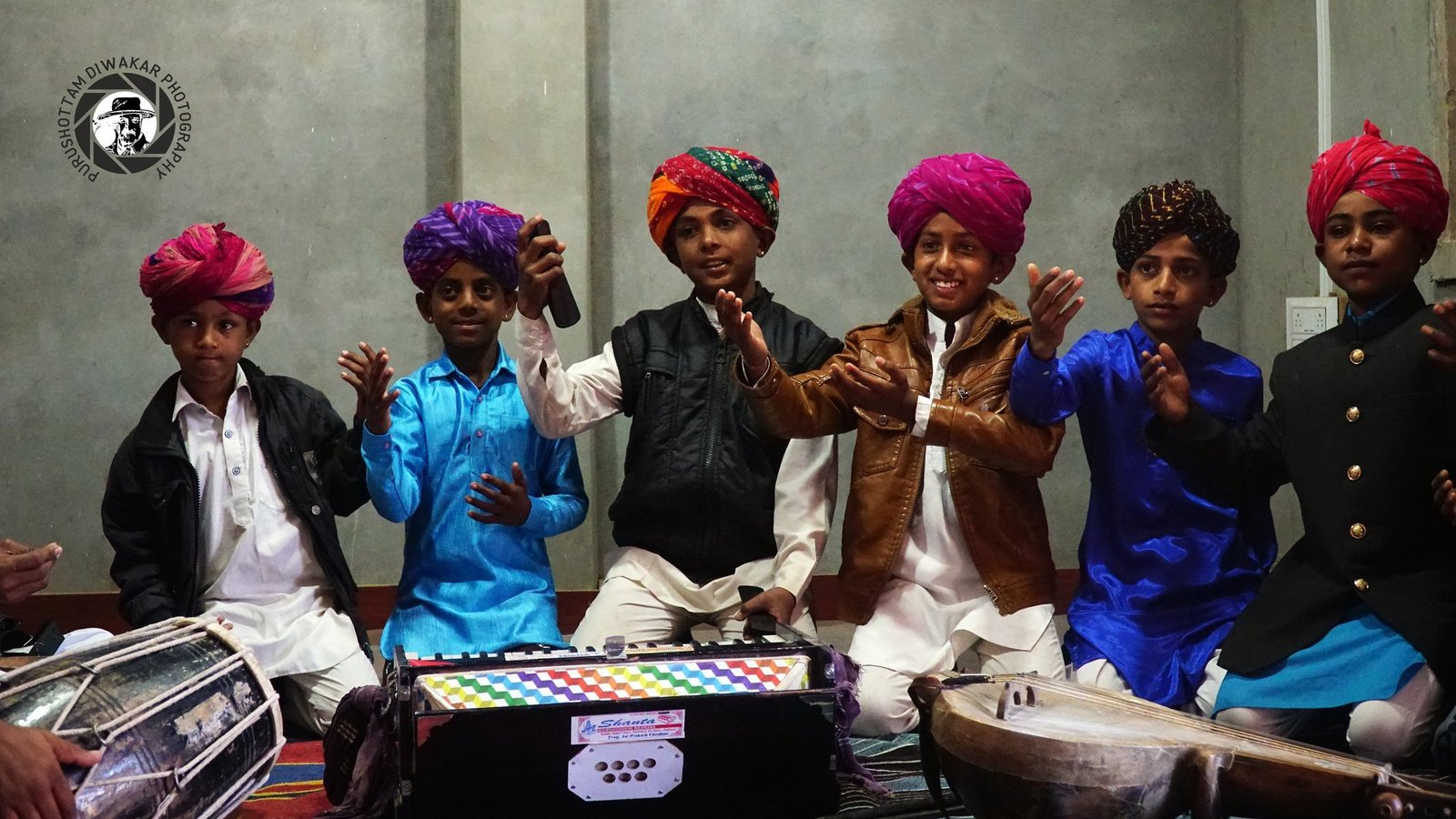
In Taalokapaar, a village in Barmer, Rajasthan, music begins early. The children of the village grow up surrounded by songs and traditional instruments, learning a craft that has sustained generations of their families. In this photograph, a group of young children sing together, offering a glimpse into a tradition where music is not simply an art passed down through generations, but a part of everyday life and livelihood.
Photo & Caption: Purushottam Diwakar, International Photojournalist & Documentary Photographer.
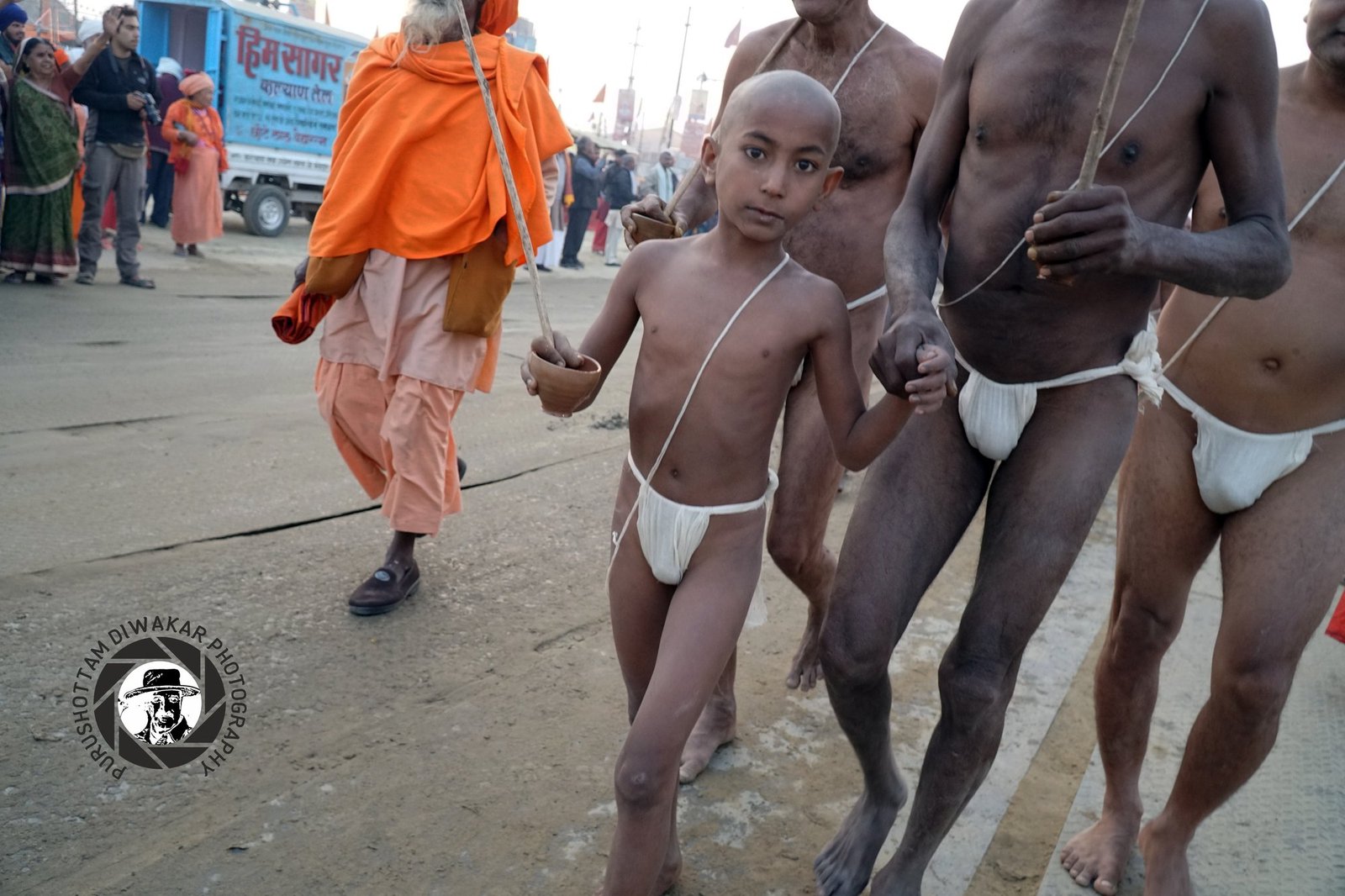
The Path of Renunciation
The photograph captures a group of Naga sadhus receiving diksha, a ritual marking their formal entry into the ascetic order. Among them is a young child, taking the same path of renunciation at an age when most are only beginning to understand the world around them. For the Naga tradition, diksha is not merely a personal act of renunciation; it is seen by its followers as a commitment to preserve dharma, tradition and the spiritual heritage of the nation.
Photo & Caption: Purushottam Diwakar, International Photojournalist & Documentary Photographer.
The Struggle Behind the Frame
From the heights of Thaang, where the terrain itself tests every movement, a photojournalist looks towards Pakistan-occupied Kashmir in search of a frame rarely seen and even harder to capture. The photograph reflects the less visible side of photojournalism—long hours, difficult terrain and the persistence required to document moments that may otherwise remain unseen. Here, the picture is as much about the photograph being captured as it is about the struggle behind it.
Photo & Caption: Purushottam Diwakar, International Photojournalist & Documentary Photographer.
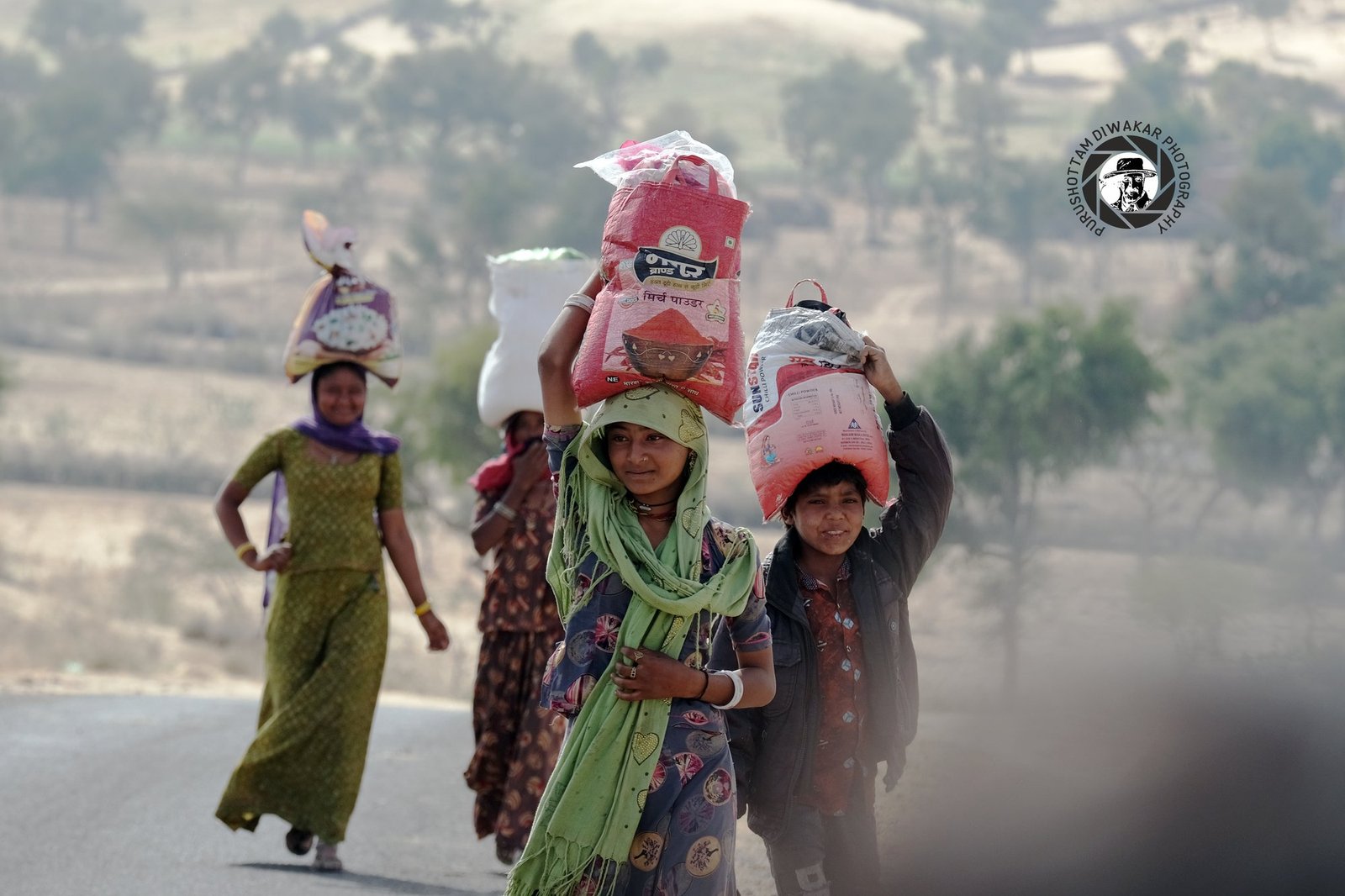
The Long Journey for Basics
In Barmer, Rajasthan’s border district, everyday life can still mean travelling several kilometres for necessities that many take for granted. The photograph captures a group of children carrying out this daily struggle—work that comes at an age when they should be in classrooms, not on long journeys to help meet their families’ basic needs. Government schemes and welfare measures have sought to improve access to education and essential services in the region, but for many children in these remote communities, distance and poverty continue to shape their everyday lives.
Photo & Caption: Purushottam Diwakar, International Photojournalist & Documentary Photographer.
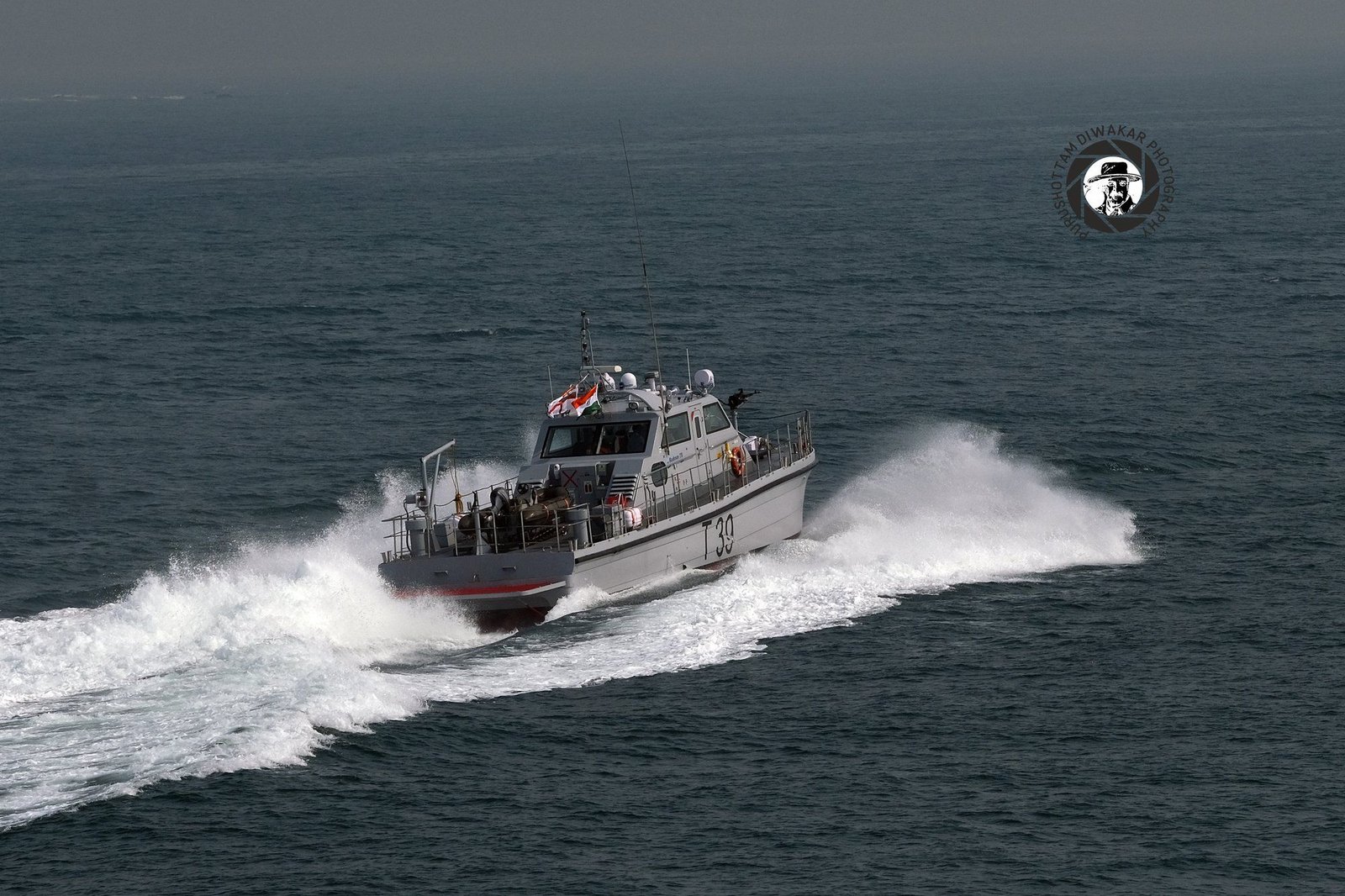
Vigilance at Sea
During an assignment with the Indian Navy, I photographed the T-39, a high-speed Immediate Support Vessel deployed for maritime surveillance and coastal security. Capable of speeds of 40 knots and a range of 500 nautical miles, the vessel is equipped with advanced radar systems and heavy machine guns and can support the rapid insertion and extraction of MARCOS commandos. Operating along India’s maritime frontier, the T-39 reflects the constant vigilance required to secure the country’s waters.
Photo & Caption: Purushottam Diwakar, International Photojournalist & Documentary Photographer.
The Everyday Economy
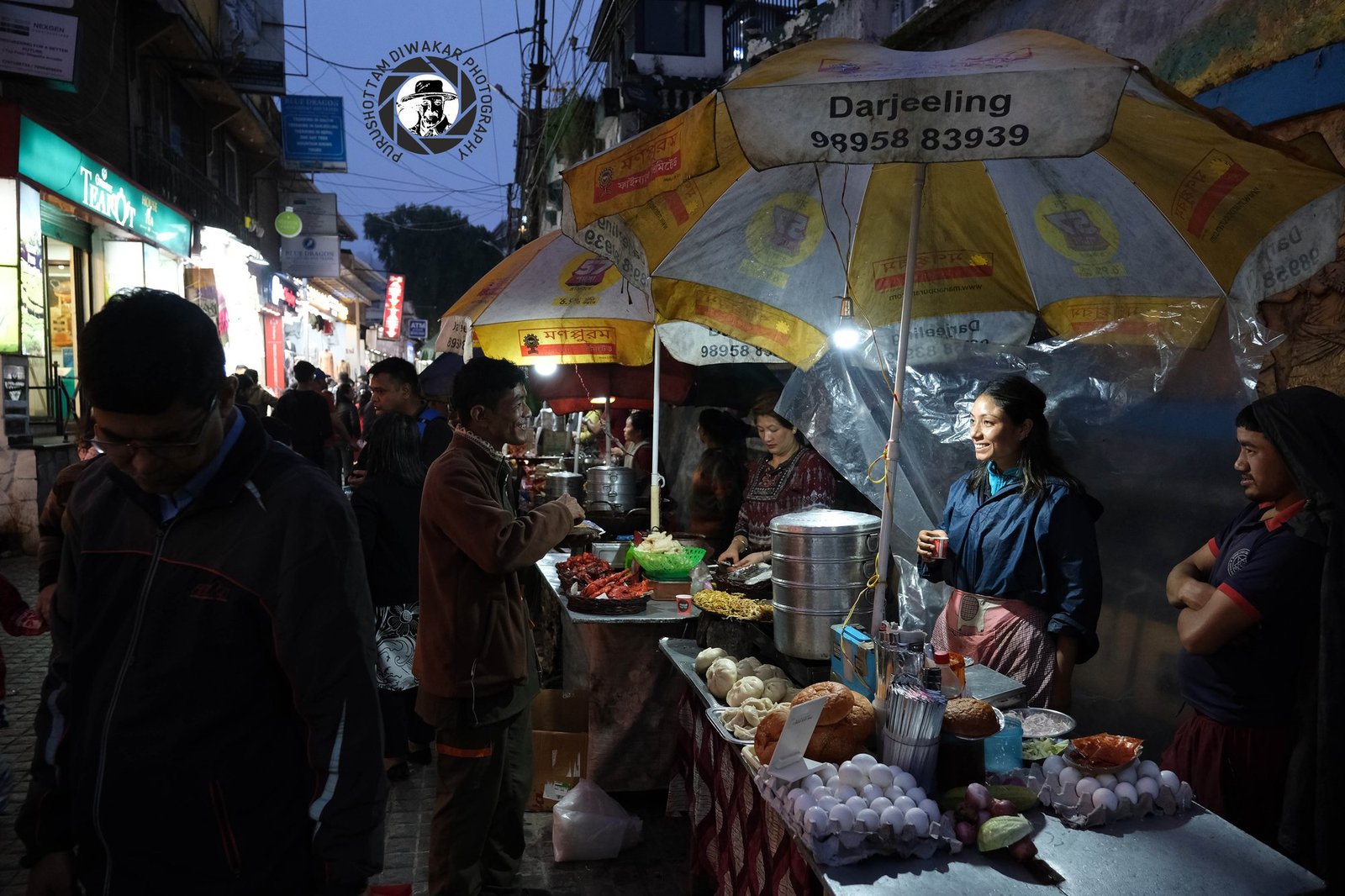
On the busy streets of Darjeeling, where tourists and locals move through the town’s narrow, crowded roads, a young girl sells street food to passing customers. Amid the bustle of one of the hill town’s busiest stretches, her small roadside stall is part of the everyday economy that keeps the city moving—where work begins early and livelihoods are built one customer at a time.
Photo & Caption: Purushottam Diwakar, International Photojournalist & Documentary Photographer.
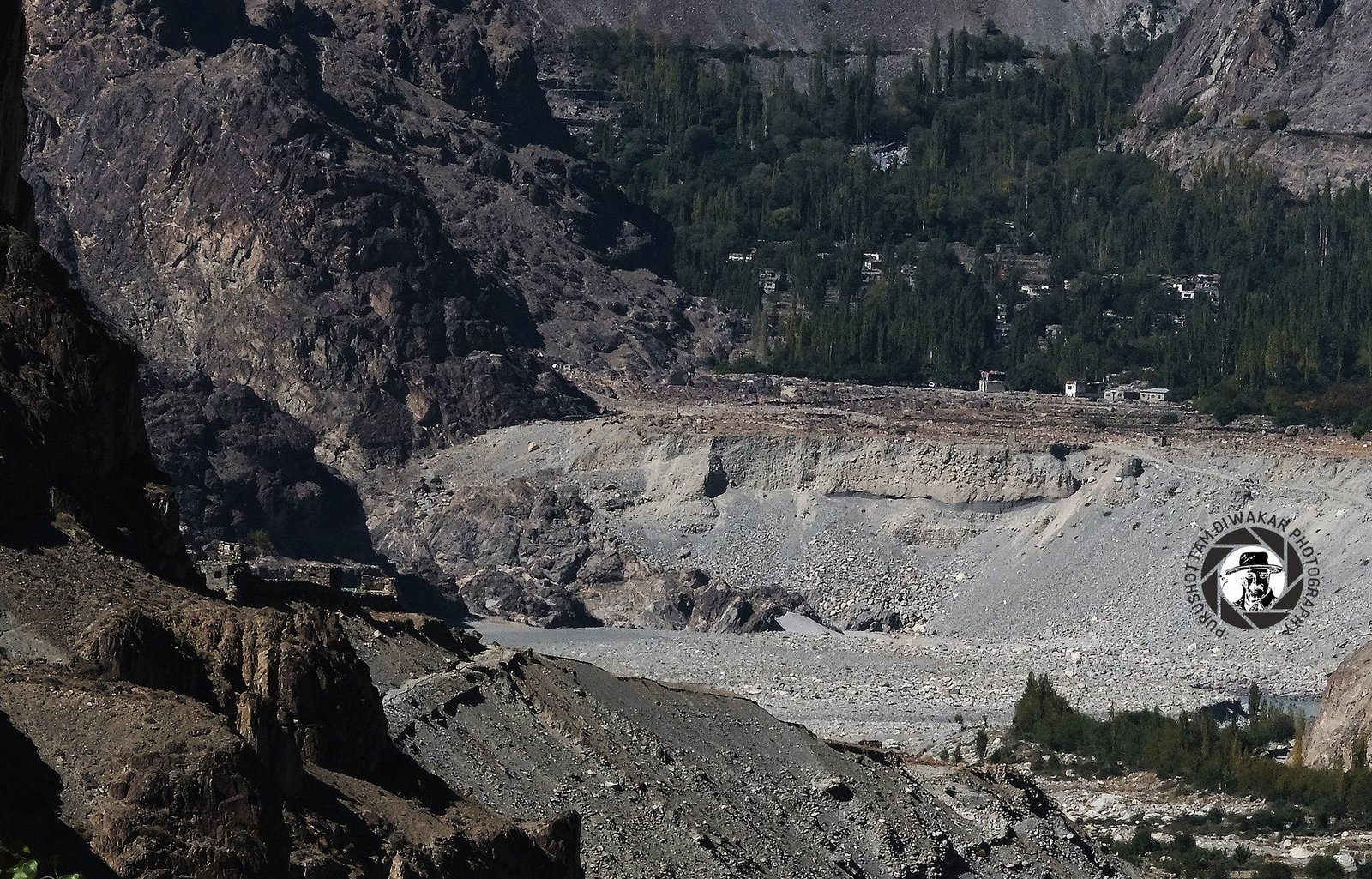
The Rugged Frontier
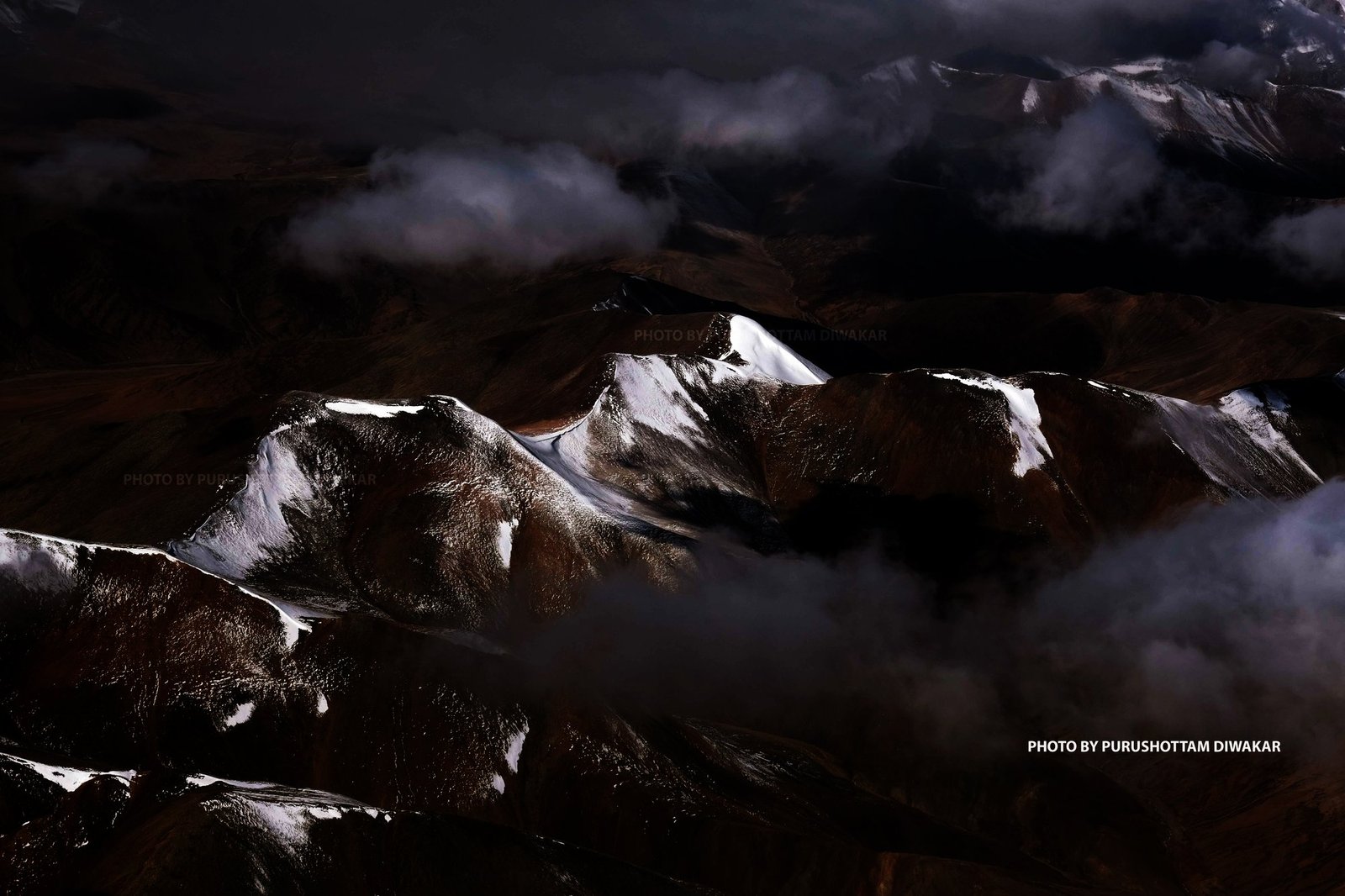
The Korakulam Hills, near the Line of Control with Pakistan-occupied Kashmir, form part of one of the most rugged and strategically significant high-altitude landscapes in the region. Carved by wind, snow and time, the mountains stand as both a formidable natural frontier and a landscape shaped by India’s enduring security concerns. This fine-art editorial looks beyond the military significance of the terrain to capture its stark beauty, isolation and immense scale—a wilderness where the boundaries between nature, geography and geopolitics become almost indistinguishable.
Photo & Caption: Purushottam Diwakar, International Photojournalist & Documentary Photographer.
World Largest Temporary City
Seen from a helicopter, the Kumbh Mela unfolds as a vast temporary city spread across the landscape—one of the world’s largest human gatherings, transformed into a meticulously organised settlement of tents, roads, bridges and public spaces. From above, the scale of the congregation becomes visible in a way impossible to comprehend from the ground: a temporary city built for millions, rising for a few weeks before disappearing almost as quickly as it arrived.
Photo & Caption: Purushottam Diwakar, International Photojournalist & Documentary Photographer.
Jaipur Breathing Again
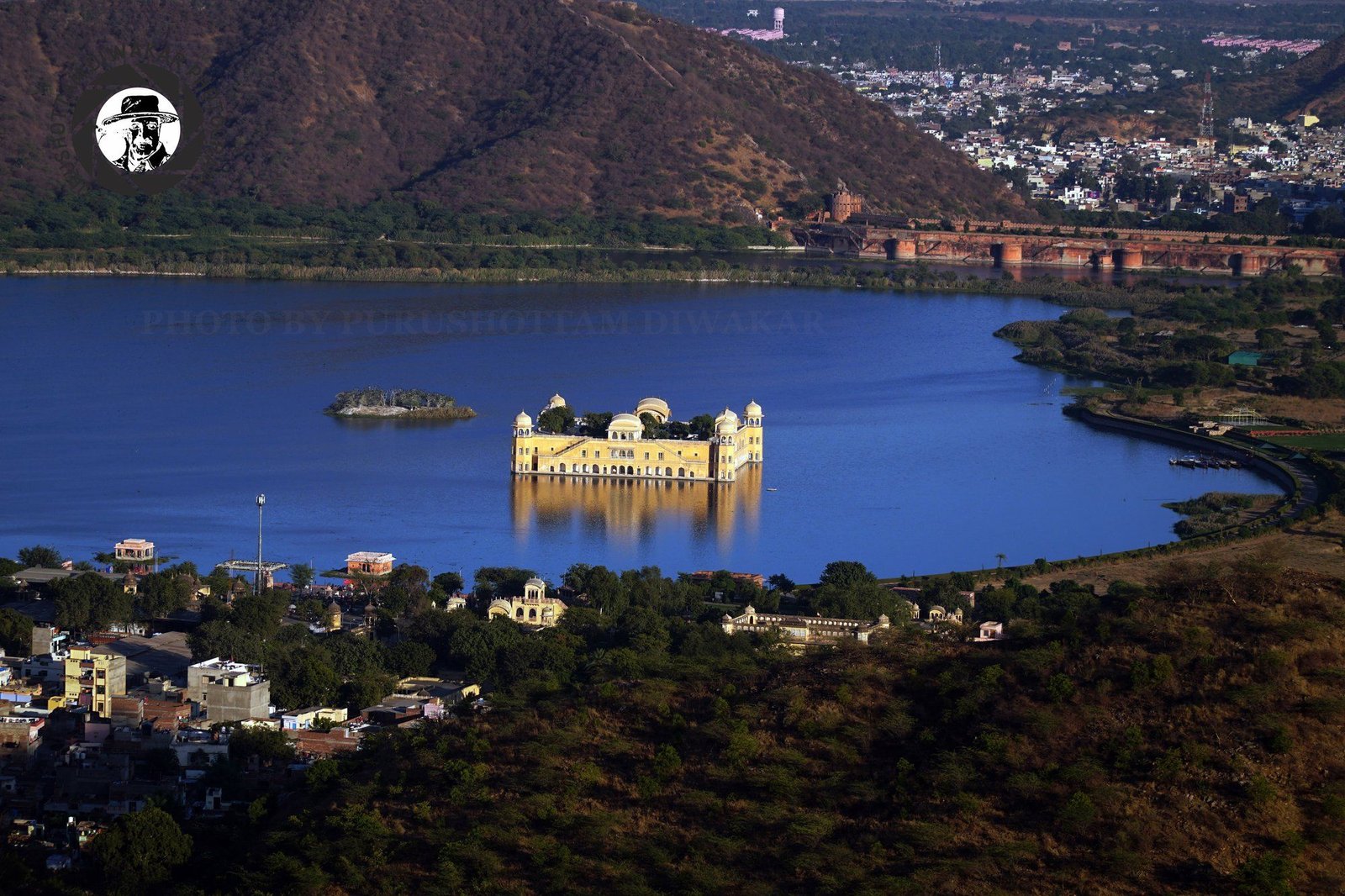
During the COVID-19 lockdown, a quieter Jaipur revealed itself from above. Seen from a height, the waters around the Jal Mahal appeared unusually clear, reflecting a rare pause in the pollution and human activity that normally surrounds the historic monument. The photograph captures an unintended consequence of the lockdown—a moment when reduced traffic, industrial activity and human movement allowed parts of the urban environment to breathe again.
Photo & Caption: Purushottam Diwakar, International Photojournalist & Documentary Photographer.
The Unseen Risks
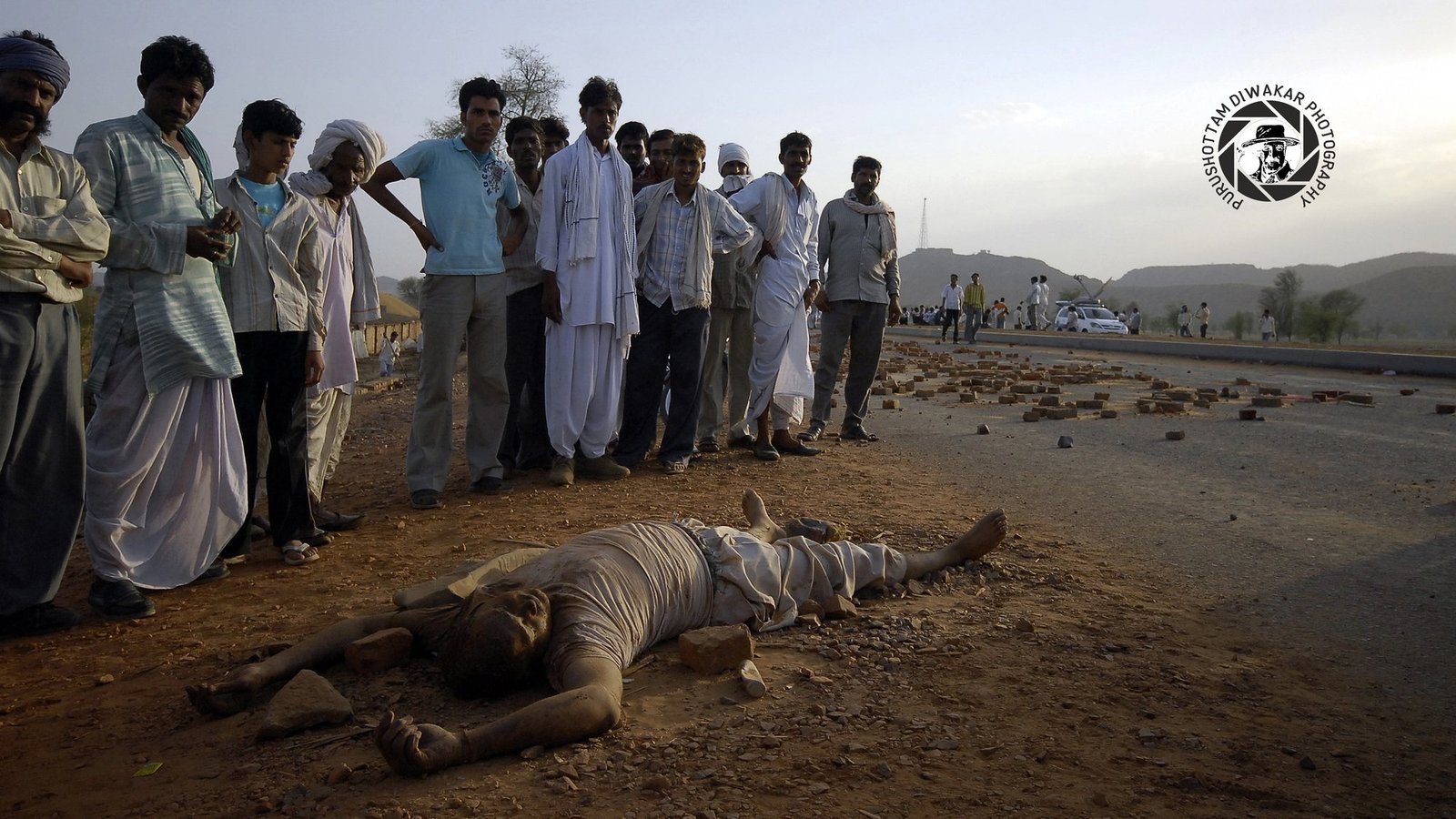
The Gurjar agitation was one of the assignments that exposed the risks often faced by journalists while covering unrest on the ground. Amid protests and growing tensions, media personnel faced hostility, intimidation and, at times, physical attacks as they attempted to document what was unfolding. This photograph remains deeply personal to me because it represents more than the agitation itself—it represents the unseen risks behind every frame. Journalists often work in unpredictable and dangerous conditions, pushing through fear, hostility and uncertainty to bring stories from the ground to the public.
Photo & Caption: Purushottam Diwakar, International Photojournalist & Documentary Photographer.
Fire and Fortitude
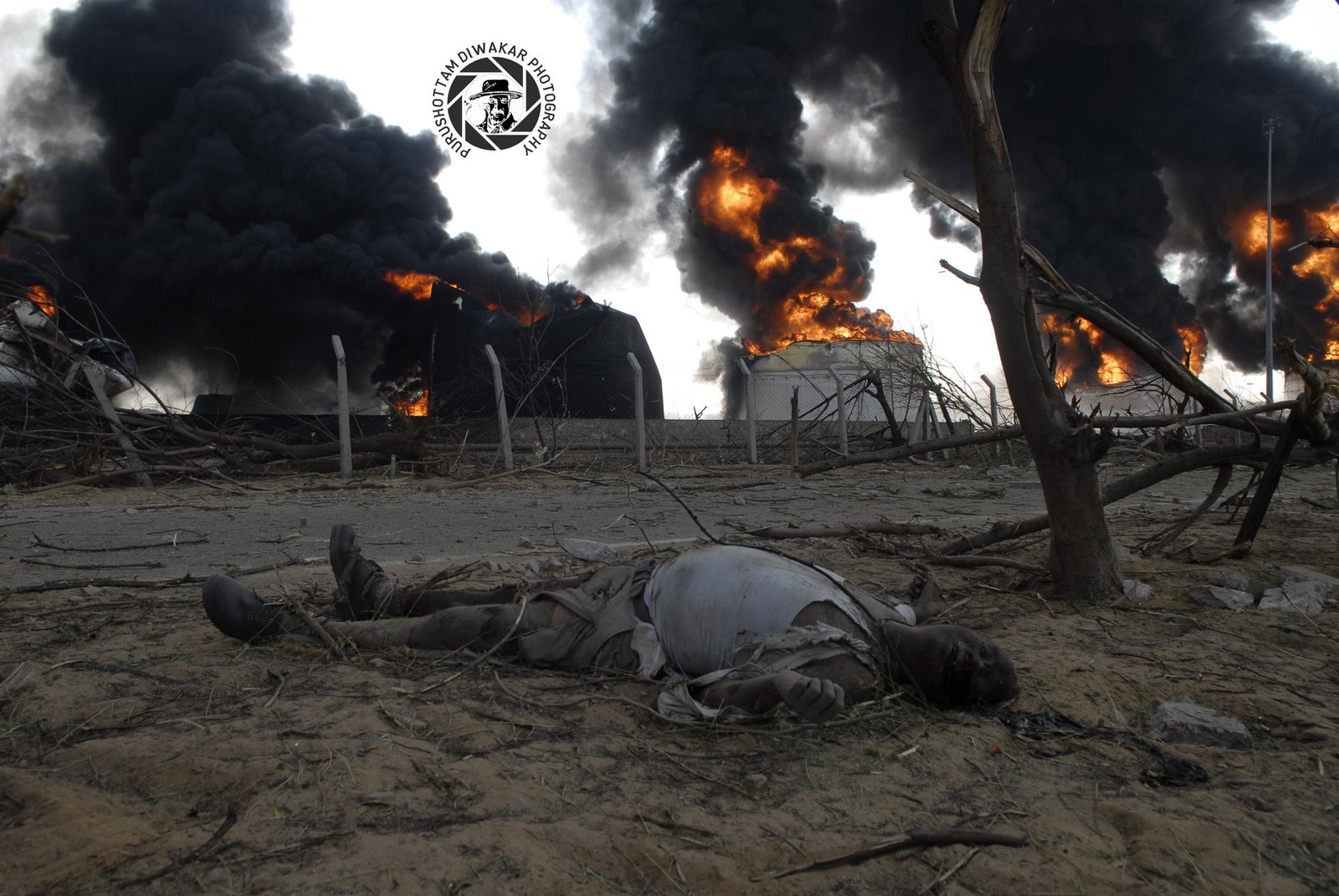
This photograph was taken during the 2009 Indian Oil Corporation (IOC) depot fire in Jaipur, one of the most devastating industrial fires in the city’s history. As massive fuel tanks burned, several media personnel, including me, remained dangerously close to the site to document the unfolding disaster. The fire, triggered by a petroleum leak during fuel transfer, engulfed nearly 50,000–60,000 kilolitres of petroleum products, with flames reportedly rising up to 70 feet and the blaze continuing for days.
Surrounded by intense heat, thick smoke and the constant threat of explosions, every frame came with a risk. Yet, stepping back was not an option for those trying to bring the reality of the disaster to the public. For me, this image remains a reminder of the dangers journalists sometimes face to document history as it happens—and of the unseen struggle behind a photograph that may appear effortless in print.
Photo & Caption: Purushottam Diwakar, International Photojournalist & Documentary Photographer.